Real-time 3D Visualization of Radiance Fields on Light Field Displays
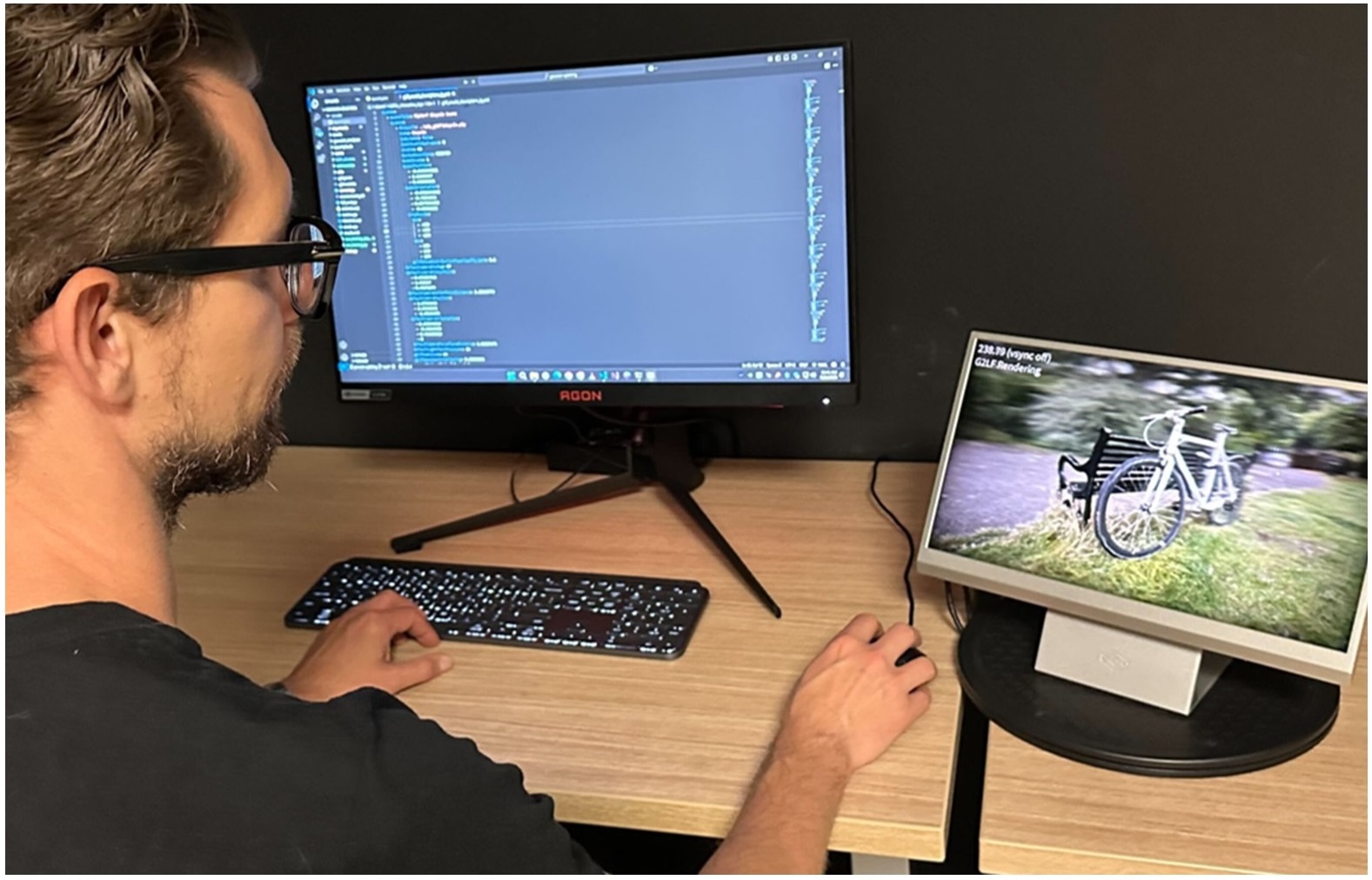
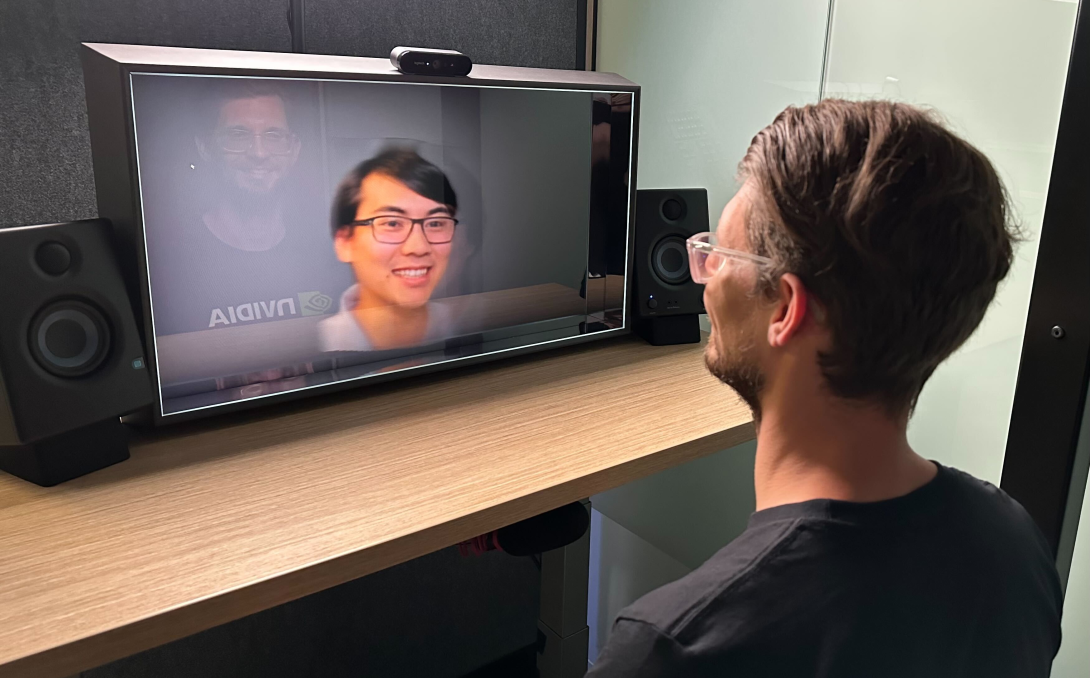
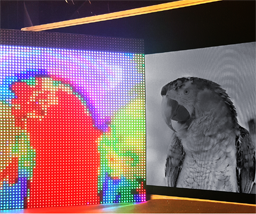
Real-time radiance field visualization on light field displays achieving 200+ FPS at 512p across 45 views for seamless 3D interaction.
I am a Sr. Research Scientist at NVIDIA working on near-eye displays and holographic displays for AR/VR applications. I was previously a Visiting Scholar at Stanford University in the Computational Imaging lab with Prof. Gordon Wetzstein.
I received my Ph.D in Electrical and Computer Engineering from Seoul National University in 2017 where I was advised by Prof. Byoungho Lee, and my Bachelor’s degree in Electrical Engineering from Seoul National University in 2011.
My research interests include Near-eye Displays, Holographic Displays, Light Field Displays, and Computational Displays.

Real-time radiance field visualization on light field displays achieving 200+ FPS at 512p across 45 views for seamless 3D interaction.
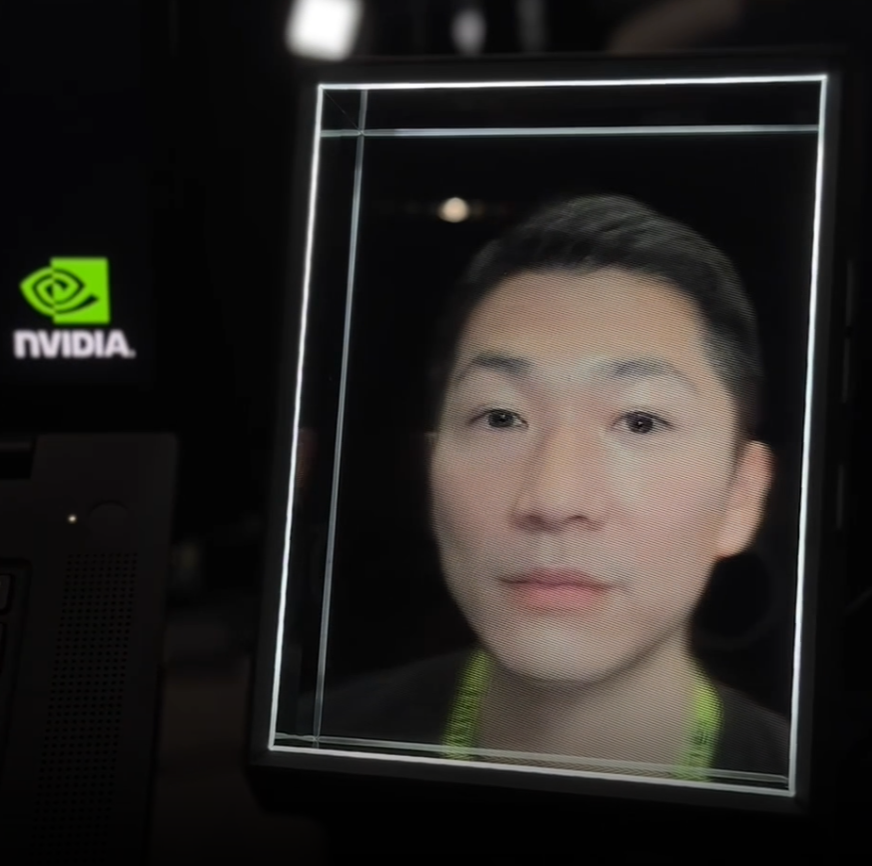
A system that enables users to capture their facial images using a single 2D camera and visualize them in 3D in real time using triplane-based NeRF encoder and fast volumetric rendering on light field displays.
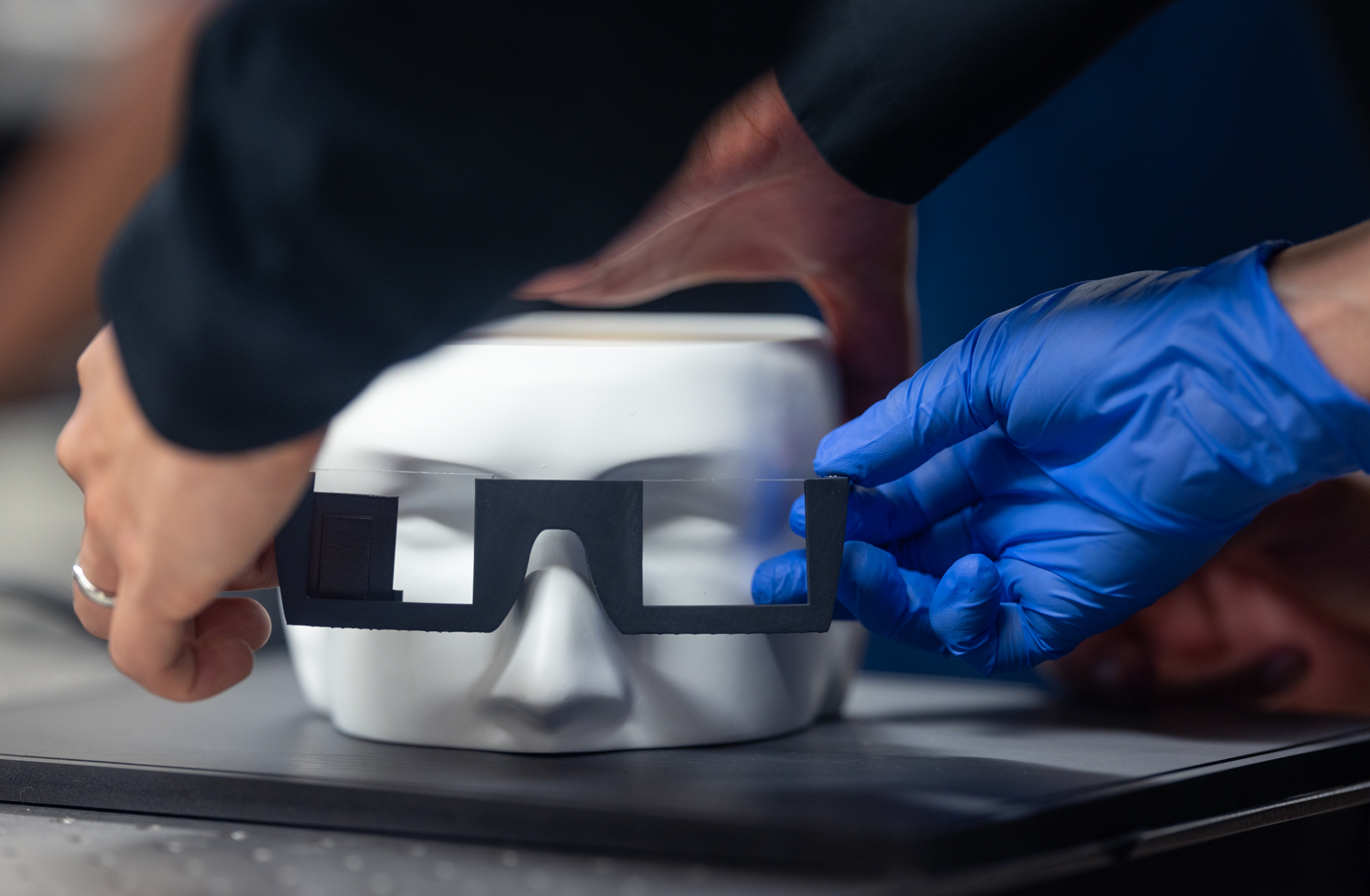
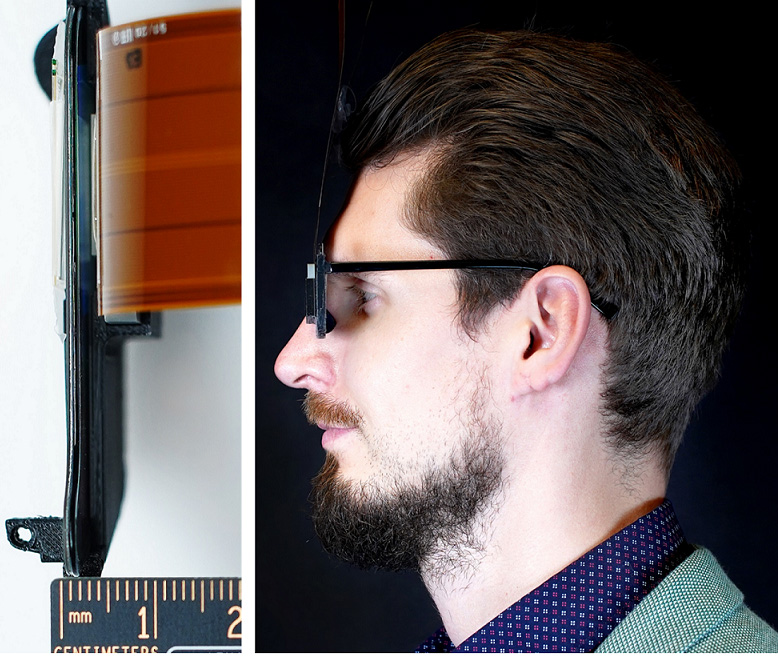
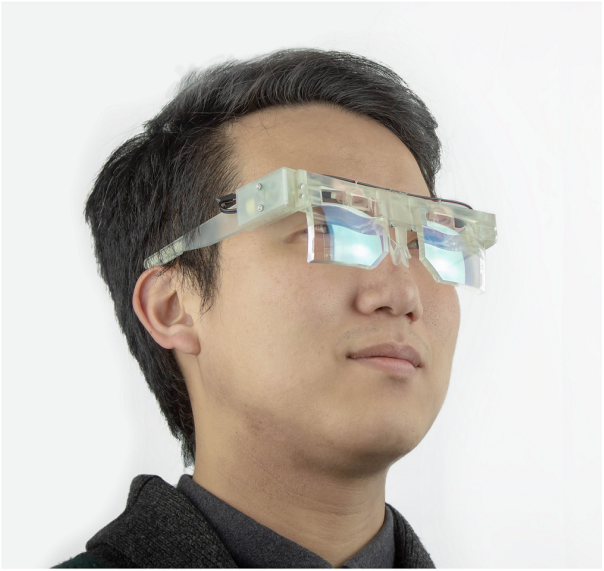
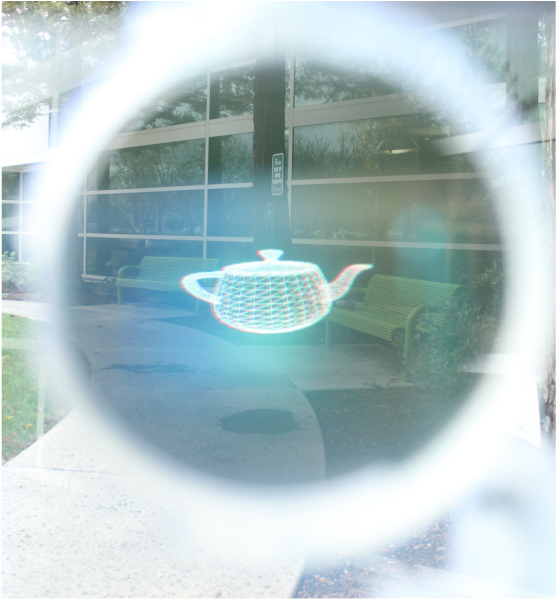
A near-eye display design that pairs inverse-designed metasurface waveguides with AI-driven holographic displays to enable full-colour 3D augmented reality from a compact glasses-like form factor.
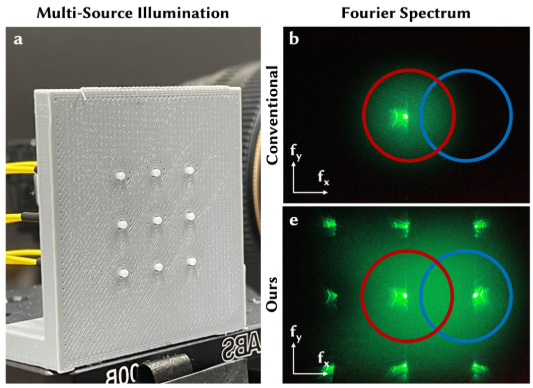
A large étendue 3D holographic display system with content-adaptive dynamic Fourier modulation.
AI-mediated system for 3D video conferencing applications.
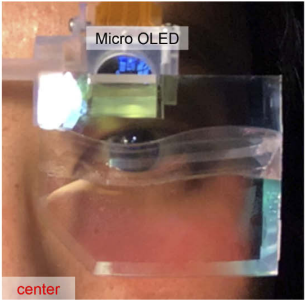
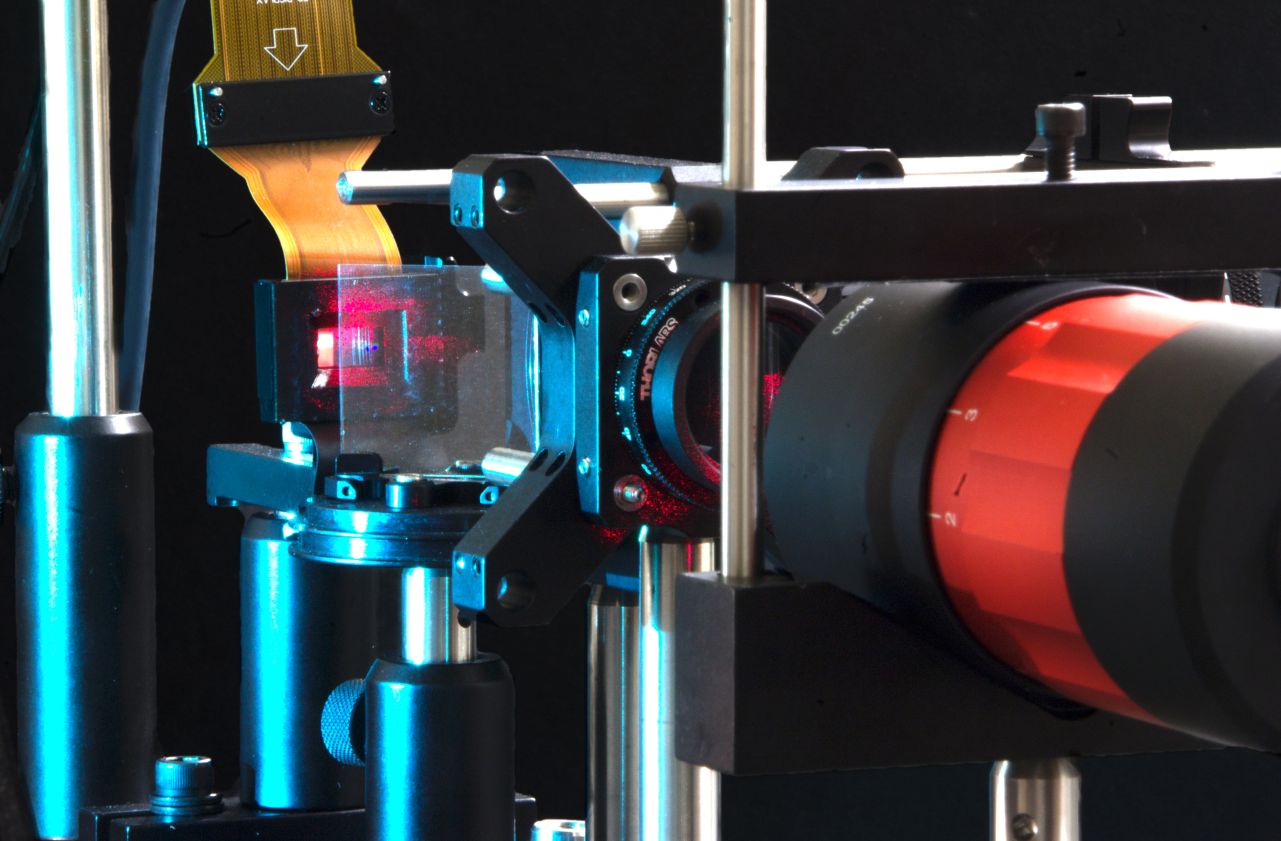
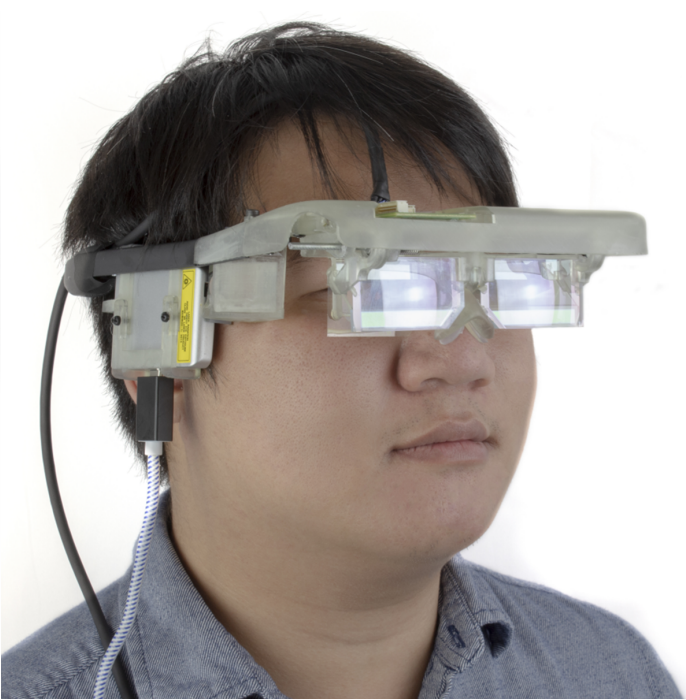
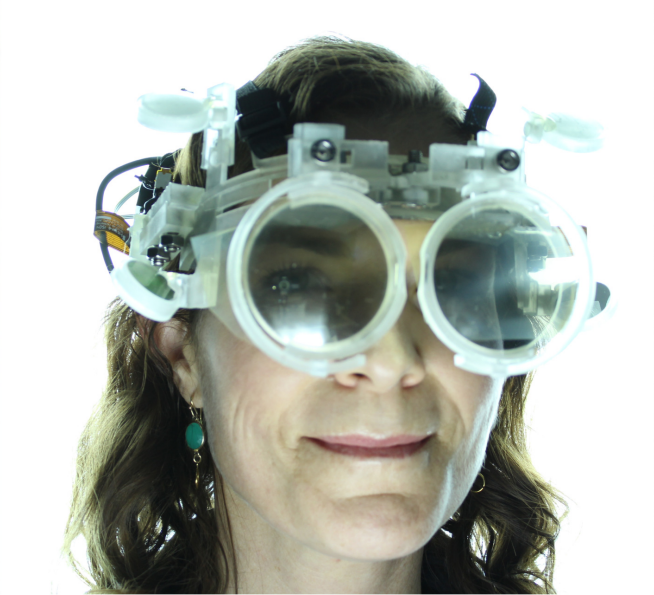
Holographic Glasses is a holographic near-eye display system with an eyeglasses-like form factor for virtual reality. The proposed design can deliver full-color 3D holographic images using an optical stack of 2.5 mm thickness.
A flexible framework for holographic displays that enables fast frame rates with heavily quantized spatial light modulators.
Optimization of high diffraction orders without optical filtering for compact holographic displays.
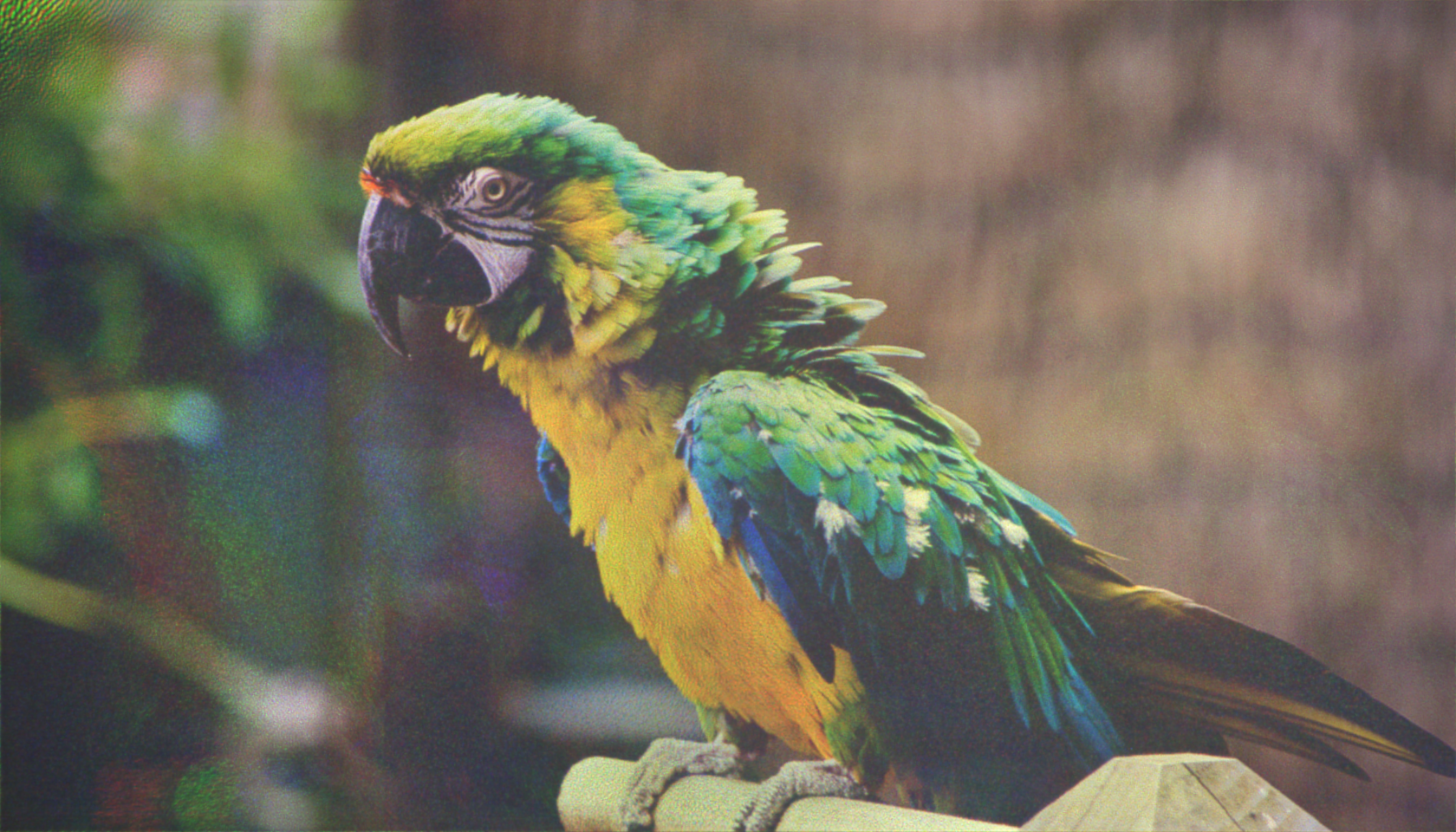
Achieving unprecedented holographic image quality with better computation using camera-in-the-loop training.
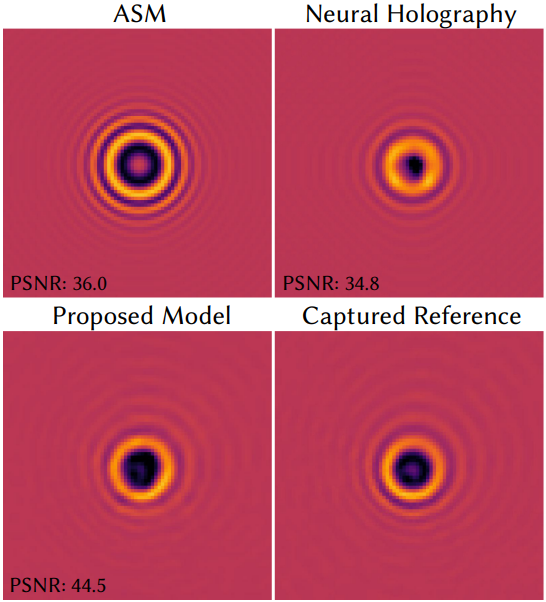
Learning accurate wave propagation models for 3D holographic displays using neural networks.
Optimizing image quality for holographic near-eye displays using Michelson holography techniques.
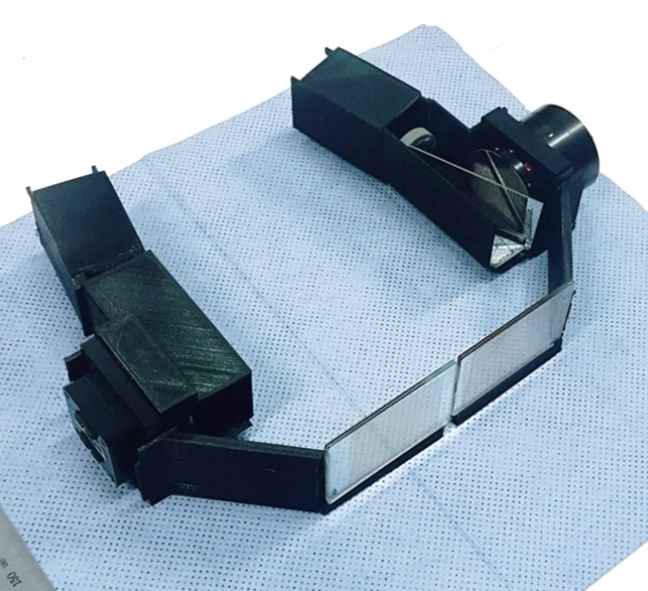
A fully-customized AR display design that considers the user's prescription, interpupillary distance, and taste of fashion. A free-form image combiner embedded inside the prescription lens provides augmented images.
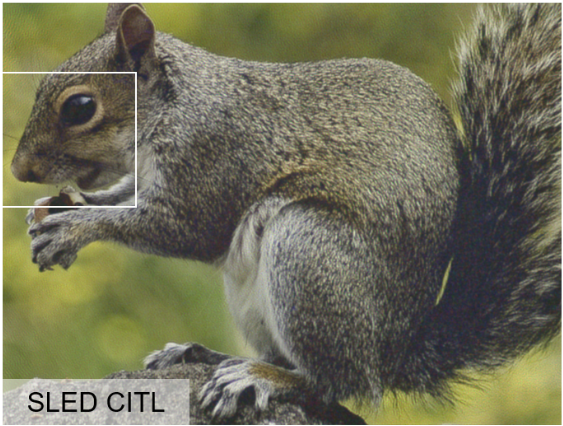
Neural holography approach for computer-generated holographic displays with camera-in-the-loop training.
AR display system that advances the state of the art for simultaneous wide FOV (100° diagonal), compact form factor, high foveal resolution (60 cpd), variable focus display and rendering, and large eyebox (12 mm × 8 mm).
Matching prescription and visual acuity for augmented reality displays. Best in Show Award winner.
See-through optical combiner design using index-matched anisotropic crystal lens for AR head-mounted displays.
Near-eye varifocal augmented reality display system using see-through screens.
Mixed-primary factorization technique for dual-frame computational displays.
A novel optical layout for near-eye varifocal display technology.
Retinal 3D provides virtual images with focus cues by generating a localized light field around the pupil position with real-time eye-tracking.
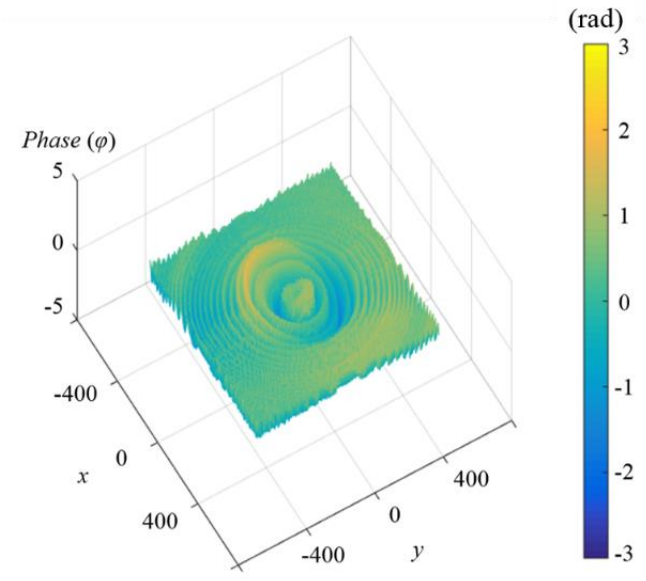
Signal enhanced guide-star reconstruction method for holographic fluorescence microscopy using incoherent digital holography.
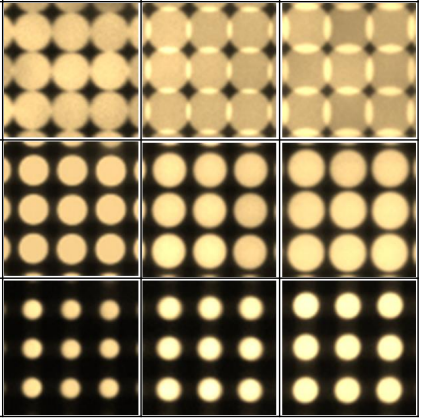
F-number matching method for light field microscopy using elastic micro lens arrays to improve optical performance.
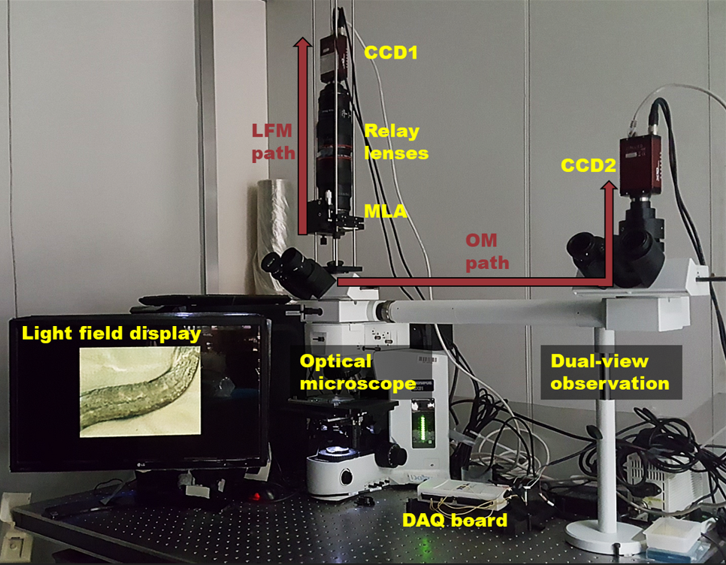
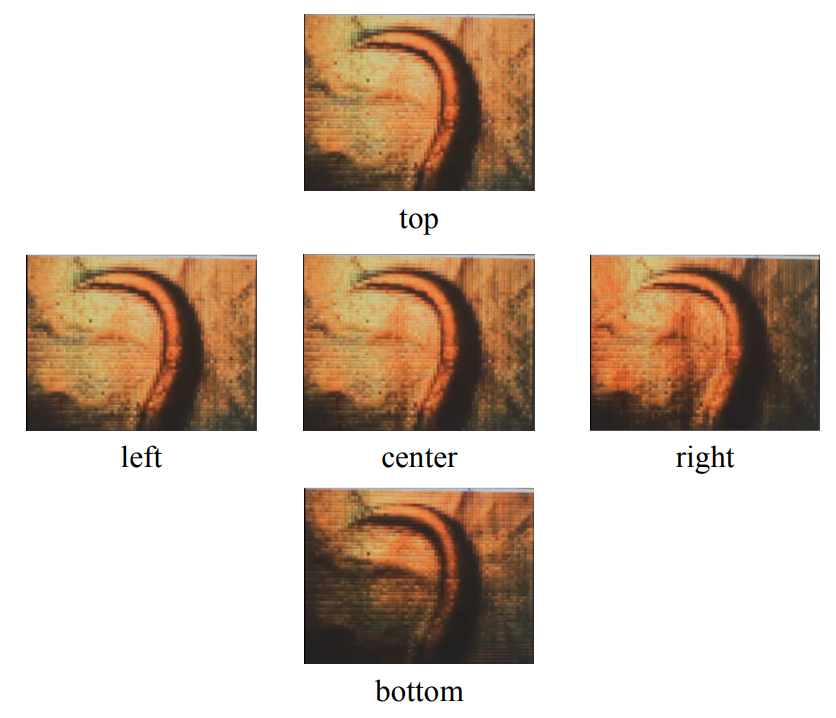
Real-time in vivo 3D observation method combining high-resolution light-field microscopy with light-field display technology.
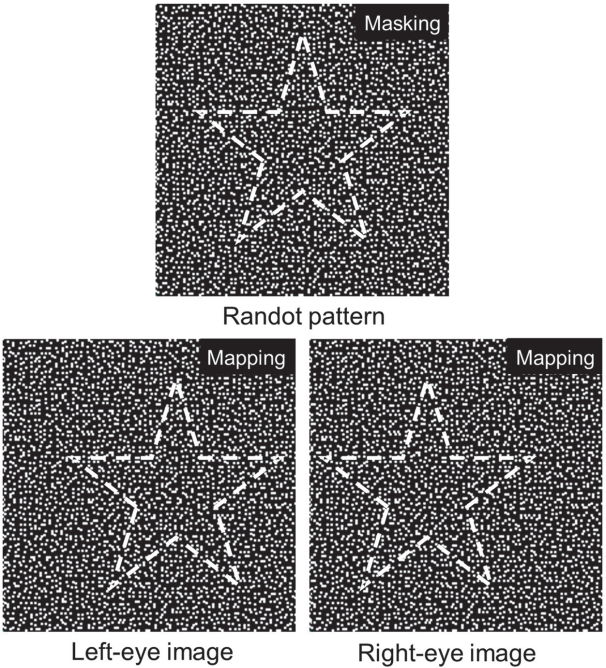
Novel stereoacuity testing method using 3D display systems for pediatric clinical applications.
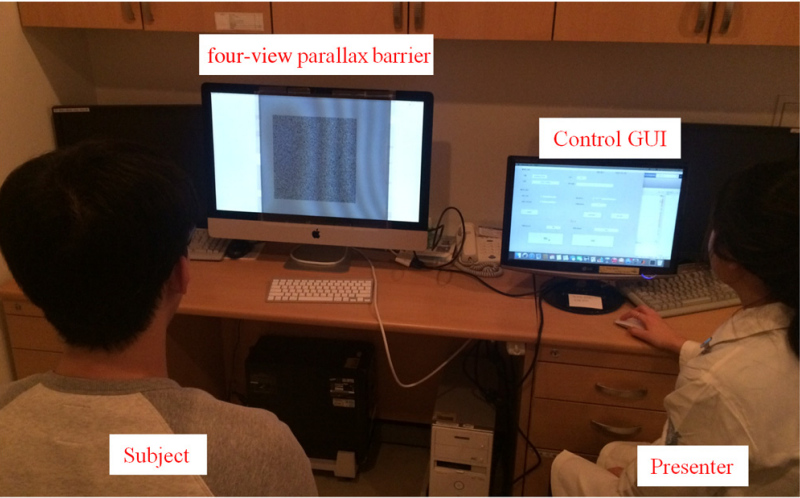
A glasses-free stereoacuity test using 3D display technology for clinical applications.
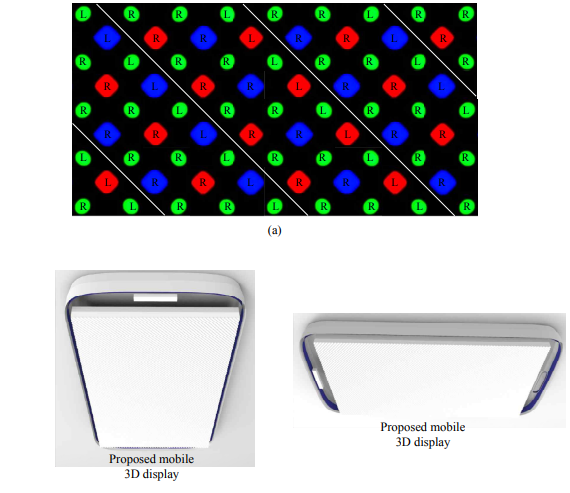
A dual-mode mobile 3D display system with reduced crosstalk for improved viewing experience.
Real-time integral imaging system for light field microscopy applications with enhanced temporal resolution.
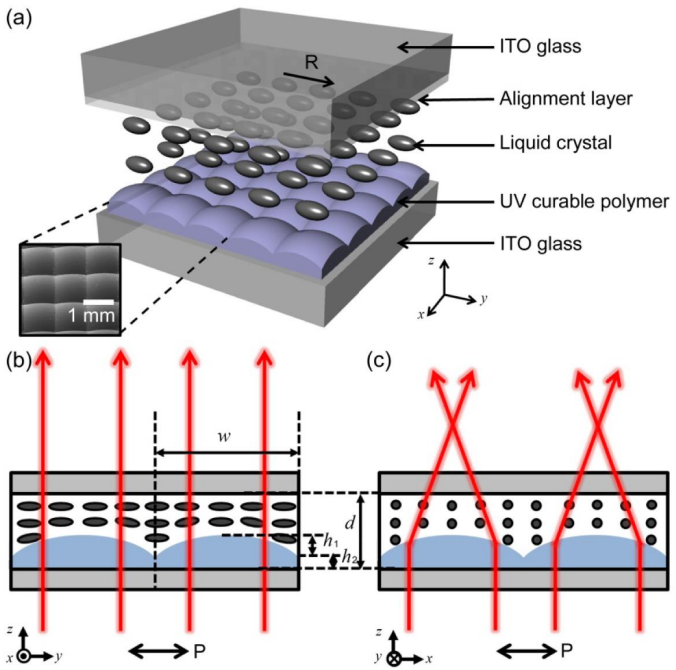
Tunable focal length liquid crystal lens array for adaptive optical applications.
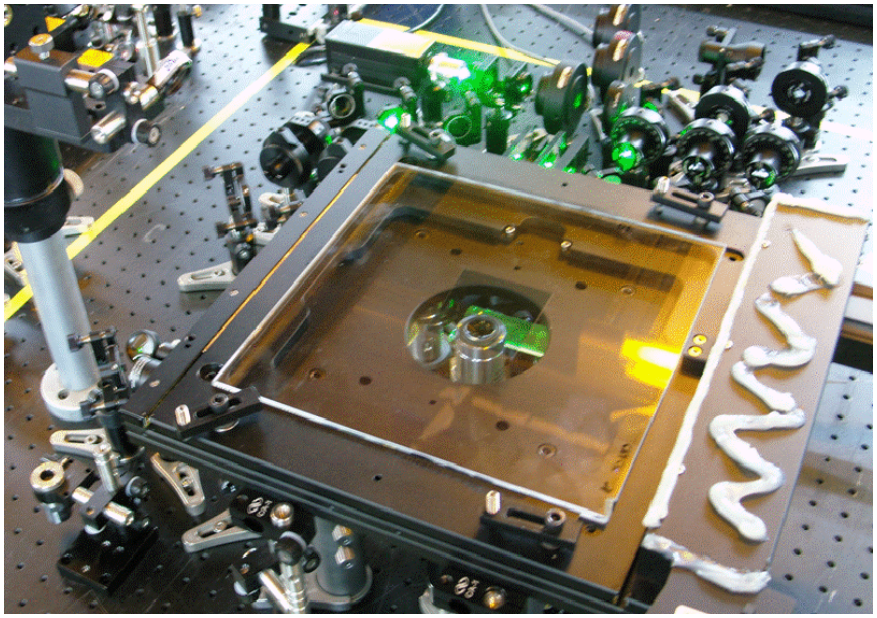
Hogel overlapping method for holographic printers to enhance lateral resolution using volume hologram multiplexing properties.
Real-time capturing and 3D visualization system using integral imaging for dynamic scene reconstruction.
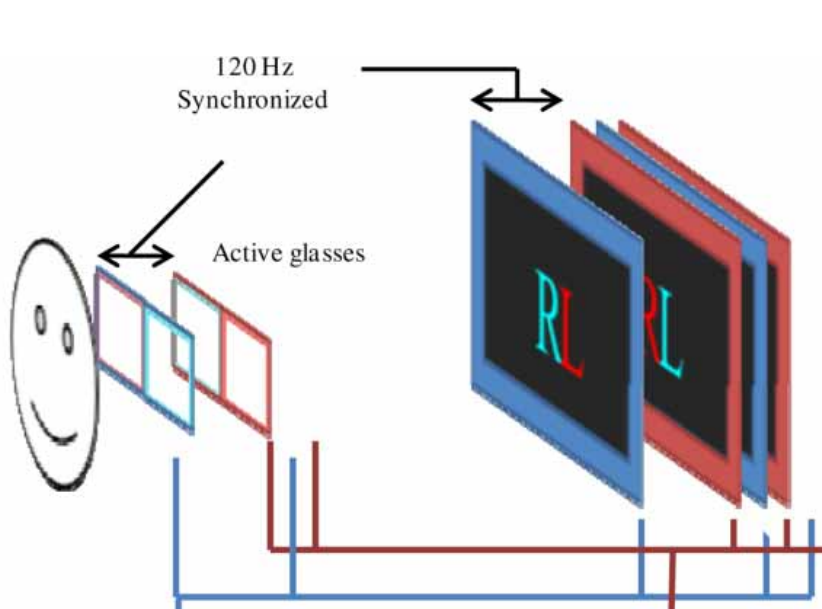
Full-color anaglyph 3D display system with active color filter glasses for enhanced viewing experience.